AI Agents Examples & Use Cases: 20+ Real-World Applications Transforming Life & Work in 2025
Artificial Intelligence is no longer a futuristic concept – it’s embedded in the way we search, shop, communicate, and work. At the core of this transformation are AI agents: software-powered systems capable of perceiving their environment, making decisions, and taking action. These autonomous AI systems-sometimes called intelligent software agents-are transforming industries with real-world use cases in 2025.
Whether they are scheduling appointments, guiding a customer through troubleshooting, or predicting market trends, AI agents are designed to handle tasks traditionally requiring human judgment and effort. Their versatility makes them a valuable tool for both individuals and organizations, and their adoption is growing at a rapid pace.
In this guide, we’ll explore more than 20 real-world AI agent examples across consumer, business, and industry-specific contexts. Along the way, we’ll look at how they work, why they matter, and where the technology is headed next.
What Are AI Agents?
An AI agent is more than just an app or a chatbot. It’s a digital entity that can sense, think, and act – often without ongoing human supervision. Unlike static programs, AI agents are adaptive and capable of learning from new information.
Most AI agents operate using three key capabilities:
- Perception: Gathering data from the environment through inputs such as text, voice, images, or sensor readings.
- Decision-making: Processing that data with algorithms, rules, or machine learning models to determine the optimal action.
- Action execution: Carrying out the chosen task – whether sending a message, generating content, updating a database, or physically controlling a device.
This makes them different from static automation tools, placing them in the category of adaptive autonomous agents.
The sophistication of these agents varies. Some are specialized for single tasks, like answering customer FAQs, while others are more general-purpose, capable of handling diverse and evolving responsibilities.
How AI Agents Work: The Core Loop
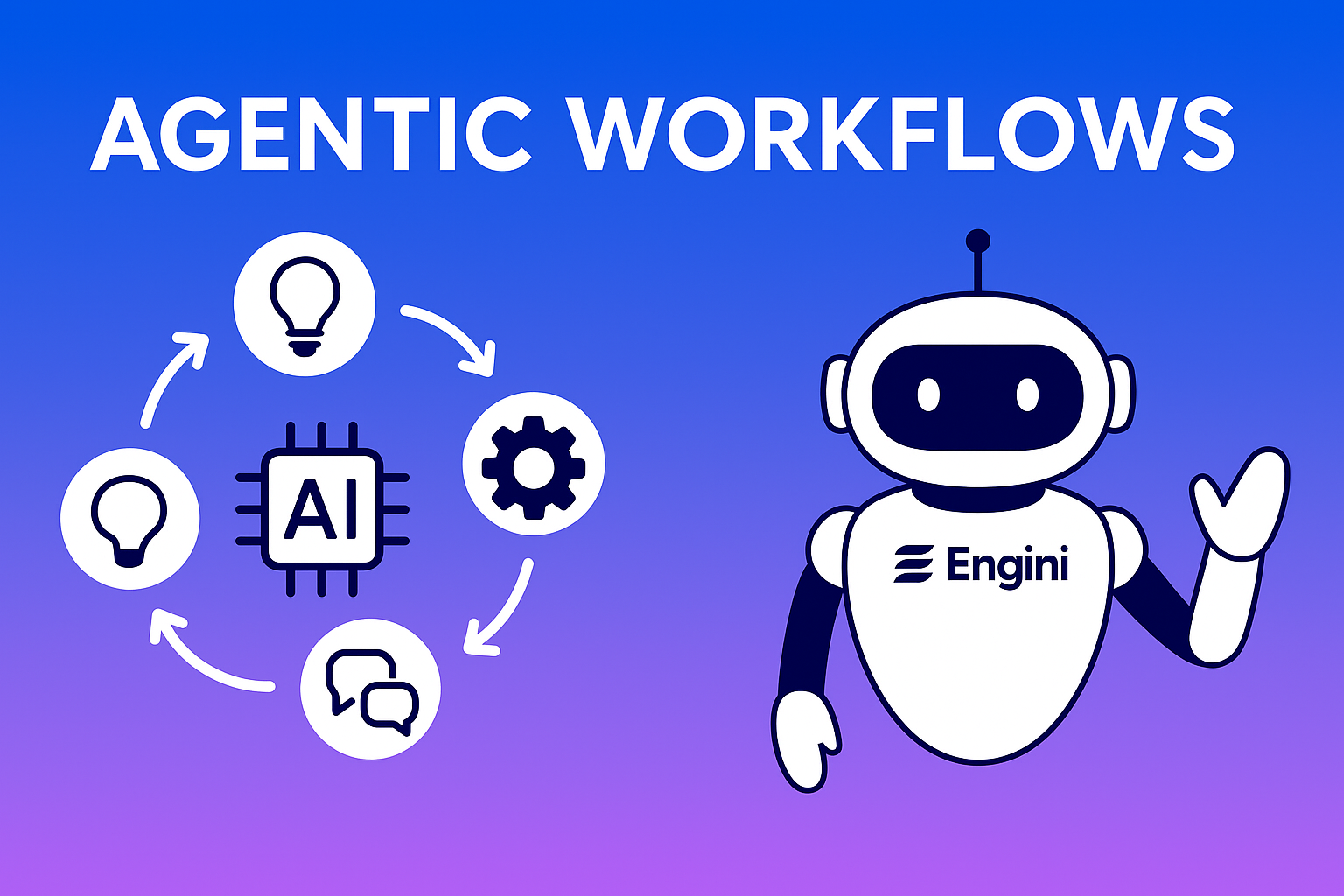
At a high level, AI agents follow a continuous sense–think–act–learn loop:
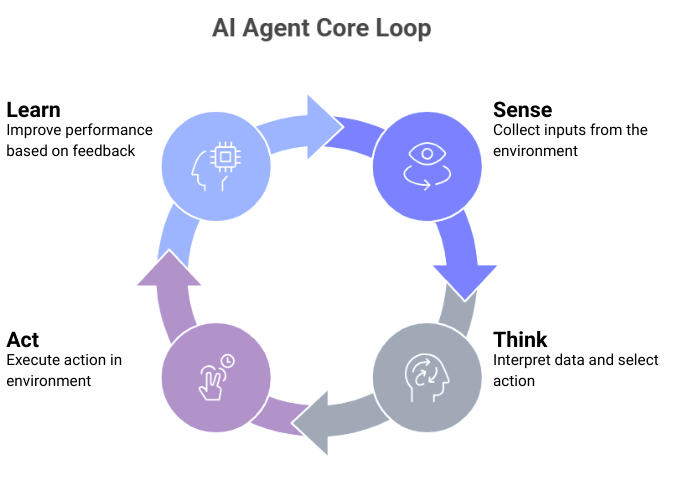
This ability to adapt is what separates AI agents from traditional automation scripts.
Consumer AI Agent Examples
AI agents are becoming a normal part of daily life. Many people already interact with them multiple times a day without even realizing it.
Virtual Personal Assistants
Voice-based AI agents like Apple’s Siri, Amazon Alexa, and Google Assistant are classic real-world AI use cases for personal productivity. They respond to natural language queries, integrate with smart home devices, and perform actions from scheduling appointments to controlling lights.
Key benefits:
- – Hands-free productivity for multitasking.
- – Seamless integration with smart devices.
- – Accessibility for users with disabilities.
AI Writing & Content Assistants
Platforms like Grammarly, Notion AI, and Jasper are helping users write better and faster. They can suggest ideas, correct grammar, and even generate content drafts.
These tools serve as creative partners, accelerating workflows without removing human oversight. This makes them especially valuable for students, content creators, and marketing teams.
Smart Financial Advisors
Robo-advisors such as Betterment and Wealthfront analyze user financial profiles and automatically manage investments. They use algorithms to rebalance portfolios, optimize tax strategies, and adjust asset allocation based on market conditions.
Why it matters: They make high-quality investment strategies accessible at lower costs compared to traditional advisors.
AI Health Coaches
Fitness and wellness apps like FitBit Coach and MyFitnessPal AI Insights use AI to create personalized health plans. By tracking real-time activity and nutrition data, they adapt recommendations on the fly.
These agents are contributing to preventive health by making fitness advice available anytime, anywhere.
Travel & Booking Agents
AI-powered platforms like Hopper and Expedia Virtual Agent scan thousands of travel options to recommend the best deals. They can rebook flights automatically in case of cancellations and personalize itineraries based on travel history.
For frequent travelers, these agents save both money and planning time.
Business AI Agent Examples
Organizations are using AI agents to automate workflows, enhance customer service, and make faster, data-driven decisions.
Customer Support Chatbots
Systems like Intercom Fin, Zendesk Answer Bot, and Drift handle routine customer inquiries instantly, day or night. They integrate with knowledge bases and ticketing systems to resolve common issues without human intervention.
Impact: Reduced wait times, lower support costs, and increased customer satisfaction.
These AI-powered automation agents handle repetitive service requests.
Sales & Lead Nurturing Agents
Tools such as Conversica and Exceed.ai autonomously follow up with leads, qualify prospects, and schedule meetings for sales reps.
By taking over the repetitive outreach, these agents allow sales teams to focus on building relationships and closing deals.
Supply Chain Optimization Agents
AI-driven platforms like ClearMetal and E2open forecast demand, optimize delivery routes, and monitor inventory in real time.
Benefits include:
- – Lower operational costs.
- – Reduced delivery delays.
- – Improved supply chain resilience.
AI HR & Recruitment Agents
Solutions such as HireVue AI and Paradox Olivia screen resumes, conduct video interviews with AI-powered assessments, and coordinate scheduling.
For HR teams, this means faster hiring cycles and improved candidate matching.
Workflow Orchestration Agents
Platforms like Engini and Zapier AI connect multiple applications and automate multi-step business processes. They can, for example, update CRM entries when a customer signs up or automatically send follow-up emails.
This type of agent removes tedious manual work, freeing employees for higher-value activities.
Industry-Specific AI Agent Examples
AI agents aren’t just for general business or personal use – many are designed for specific sectors.
- – Healthcare: IBM Watson Health for diagnostics, Buoy Health for patient self-assessment.
- – Finance: Darktrace for fraud detection, Ayasdi AI for regulatory compliance.
- – Retail & E-commerce: Shopify Magic for personalized shopping recommendations, Blue Yonder for inventory forecasting.
- – Manufacturing: Uptake for predictive equipment maintenance, Landing AI for automated quality inspection.
These specialized agents bring domain expertise to their respective industries, often improving safety, compliance, and customer experience.
| Category | Key Examples | Primary Benefits | Best For |
|---|---|---|---|
| Consumer AI Agents | Siri / Alexa / Google Assistant, Grammarly / Notion AI, Hopper |
Hands‑free productivity, Personalized recommendations, Time & cost savings |
Home automation, Personal productivity, Trip planning |
| Business AI Agents | Zendesk Answer Bot, Conversica, UiPath Autopilot |
Faster support resolution, Higher lead conversion, Workflow automation |
Customer service, Sales outreach, Ops automation |
| Industry‑Specific AI Agents | IBM Watson Health, Darktrace, Blue Yonder |
Diagnostics & compliance, Fraud detection, Predictive maintenance |
Healthcare diagnostics, Financial risk, Retail/manufacturing ops |
Future Trends in AI Agents
The AI agents of tomorrow will be even more capable than today’s. Here are some key developments to watch:
- – Multi-agent collaboration use cases: Agents will work together to solve complex problems, passing tasks between specialized systems.
- – Context-aware intelligence: Improved emotional recognition and situational awareness will make interactions feel more natural.
- – Integration with IoT: AI agent orchestration platforms embedded in physical devices will take proactive actions – from restocking supplies to adjusting environmental controls.
- – Low-code/no-code creation: Businesses will be able to build custom AI agents without needing deep technical expertise.
Conclusion
AI agents are already transforming how we live and work, from the assistants that manage our daily schedules to the systems that run global supply chains. They enhance productivity, reduce costs, and improve decision-making, all while opening new possibilities for innovation.
The key takeaway? Start small. Identify one repetitive or data-heavy task in your personal or professional life, and explore whether an AI agent can handle it. The results might surprise you – and could be the first step toward a more automated future.
FAQ
- Are AI agents only for large enterprises?
No. Many affordable and user-friendly AI agents are available for individuals, freelancers, and small businesses. - Do AI agents replace human workers?
They typically automate repetitive tasks, allowing humans to focus on higher-value work. - How do AI agents learn?
Through feedback loops, machine learning updates, and continuous exposure to new data. - Are AI agents secure? Security depends on the provider, so look for encryption, authentication, and transparent privacy policies.
Like what you see? Share with a friend.
Itay Guttman
Co-founder & CEO at Engini.io
With 11 years in SaaS, I've built MillionVerifier and SAAS First. Passionate about SaaS, data, and AI. Let's connect if you share the same drive for success!
Share with your community


.png)
Comments